
Introduction
The establishment of a clean, stable starter culture is the most critical phase in any plant tissue culture workflow. Whether the goal is commercial micropropagation, conservation, or specialist small-batch production, the long-term success of in-vitro propagation is determined almost entirely at this initial stage.
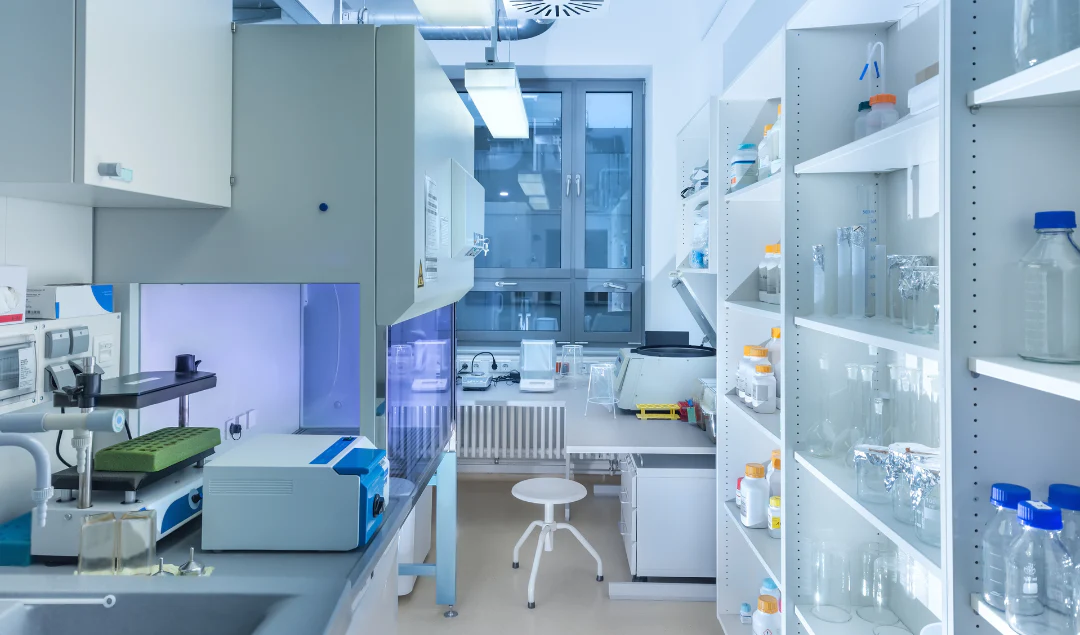
At Hab Labs, starter culture establishment is approached as a distinct technical process rather than a preliminary step. It requires careful assessment of source material, controlled laboratory handling, and realistic evaluation of biological limitations. This article outlines how starter cultures are developed, the scientific considerations involved, and why professional oversight is essential.
Defining a Starter Culture
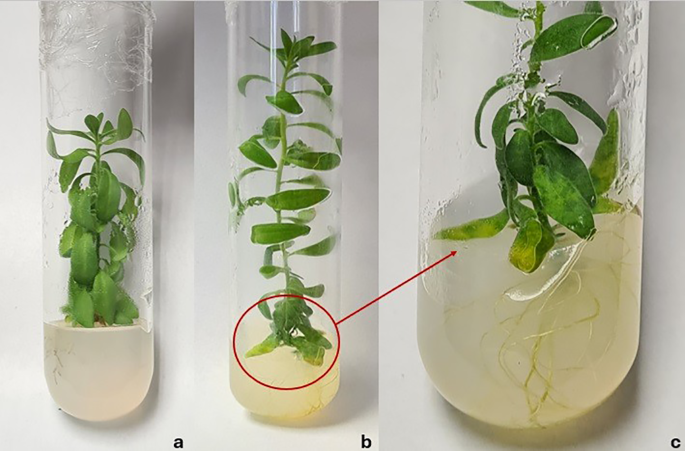
A starter culture is the first successfully established in-vitro plant material derived from an external, non-sterile source. It represents the biological baseline from which all future propagation, maintenance, and scaling activities proceed.
Unlike multiplication cultures that have already adapted to laboratory conditions, starter cultures must transition directly from variable environmental exposure into an artificial, aseptic system. This transition places significant physiological stress on plant tissues and introduces a heightened risk of microbial contamination.
For a starter culture to be considered viable, it must demonstrate sustained growth under sterile conditions, show no signs of latent contamination over time, and remain genetically true to the source plant. Failure to meet any of these criteria compromises the reliability of all downstream propagation efforts.
The Importance of Source Material Quality
The success of starter culture establishment is strongly influenced by the condition and history of the source plant material. Even within the same species, differences in plant health, age, and growing environment can lead to markedly different outcomes in culture.
Actively growing, disease-free plants typically respond more predictably during initiation. Juvenile or semi-juvenile tissues often adapt more readily to in-vitro conditions than mature or heavily lignified material. Plants sourced from outdoor or aquatic environments generally carry higher microbial loads, increasing the complexity of sterilisation and the likelihood of delayed contamination.
In some cases, donor plants benefit from pre-conditioning prior to culture initiation. This may involve controlled growth conditions or reduced environmental stress to improve tissue responsiveness and reduce contamination risk.
Explant Selection and Preparation
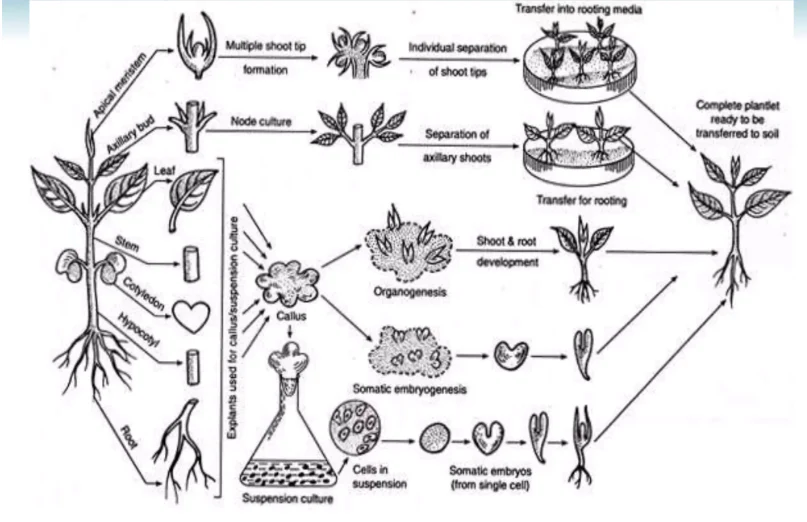
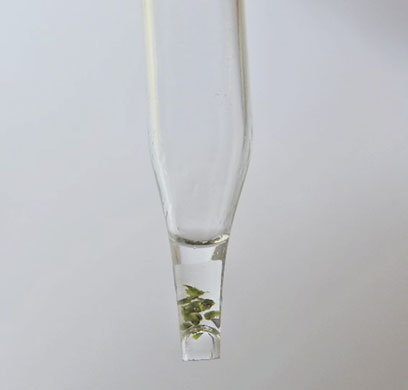
An explant is the specific portion of plant tissue selected for culture initiation. The choice of explant type is species-dependent and directly influences both survival and subsequent growth behaviour.
Preparation of explants requires a careful balance between microbial control and tissue preservation. While surface sterilisation is essential to remove external contaminants, excessive chemical or mechanical stress can irreversibly damage plant cells, leading to tissue necrosis or growth inhibition.
Professional tissue culture laboratories rely on empirically refined, species-specific approaches rather than generic sterilisation regimes. This is particularly important for plants known to harbour internal or endophytic microorganisms, which may only become visible after several weeks in culture.
Initiation into In-Vitro Conditions
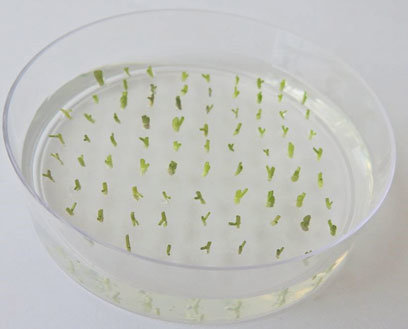
Once prepared, explants are transferred into sterile culture vessels containing a defined growth medium. This medium provides physical support as well as the nutrients, carbohydrates, and growth regulators required for survival and adaptation.
The initiation phase is often characterised by slow or minimal visible growth as tissues acclimate to the artificial environment. During this period, cultures are closely monitored for physiological stress and delayed contamination, which may emerge long after apparent initial success.
Only explants that demonstrate consistent, contamination-free development over time are considered suitable for progression into multiplication or maintenance stages.
Biological and Technical Challenges
Starter culture establishment carries a substantially higher risk profile than later stages of micropropagation. Common challenges include latent microbial contamination, oxidative tissue browning, poor hormonal response, and stress-induced tissue decline.
It is important to recognise that failure during initiation does not necessarily reflect inadequate technique. Some plant species are inherently difficult to establish in vitro and require iterative protocol refinement or acceptance of higher attrition rates. Transparent evaluation of these risks is a hallmark of professional laboratory practice.
The Role of Professional Assessment
Starter culture establishment is not a routine or automated process. Each project requires individual assessment based on species biology, material condition, intended scale, and long-term objectives.
Professional laboratories evaluate feasibility before proceeding, providing clients with realistic expectations regarding timelines, success rates, and potential limitations. This approach prioritises biological integrity and long-term reliability over short-term throughput.
Conclusion
The transition from field-grown plant material to a stable in-vitro starter culture is a complex and biologically sensitive process. As the foundation of all tissue culture systems, starter cultures determine the success, scalability, and genetic fidelity of future propagation.
By treating starter culture establishment as a dedicated scientific discipline rather than a preliminary formality, laboratories ensure greater consistency, reduced risk, and more dependable outcomes across ornamental, aquatic, and restoration applications.